Trigger warning: mental health / postpartum depression – but I’m writing this from a much healthier place. There is light in the darkness, I promise.
This is probably the most personal thing I’ve shared on this blog (and I’ve shared my detailed birth story and miscarriage so that’s saying something). I’d recommend reading the whole post if you can. Please share with someone you think might need to read this.
Reality Check
Some sobering statistics to start us off:
- 1 in 5 New Zealanders live with a diagnosed mental illness or addiction (higher than the global average of 1 in 8). This doesn’t account for those who go undiagnosed.
- 50% of people will develop a mental health disorder in their lifetime according to a 2023 Harvard University study
- 1 in 3 women (and 1 in 5 men) are estimated to experience major depression in their lifetime
- 1 in 6 Kiwi women experience significant ante/post-natal depression
- Almost 200,000 patients were seen by the NZ Mental Health and Addiction Services in 2023
- Around 600 New Zealanders commit suicide every year
Sources:
- World Health Organisation
- Harvard University
- Our World in Data
- NZ Health and Disability Commission
- Figure.NZ
- Mental Health Foundation
How to begin?
I feel called to share this, despite harbouring serious misgivings. I know it won’t change my friends’ and family’s opinion of me. But I shrink away from the thought of acquaintances gossiping about me. I know it sounds ridiculous for someone who chooses to share a chunk of her life online, but I dislike being the centre of attention. I’m an introvert. I’m much more comfortable watching from the sidelines.
So why share then? Because other people sharing their stories helped pull me up from the depths. They made me feel less alone, less ashamed and less guilty. They showed me that recovery was possible and how to get help. And since I’ve started talking about this openly with friends, I’ve been shocked by how many of them have experienced the same thing.
I hope that sharing my experience with depression can help others, just like strangers helped me.
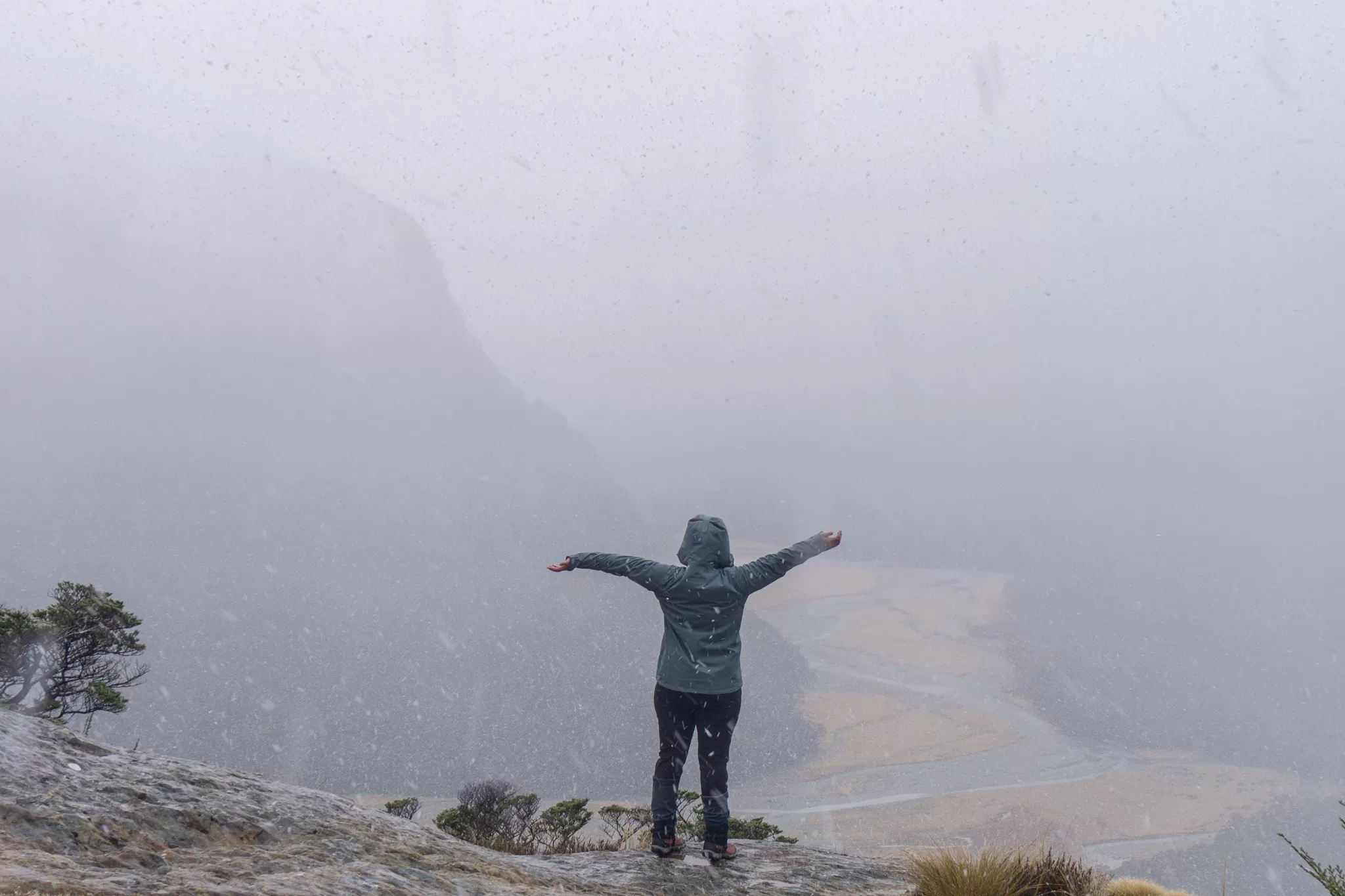
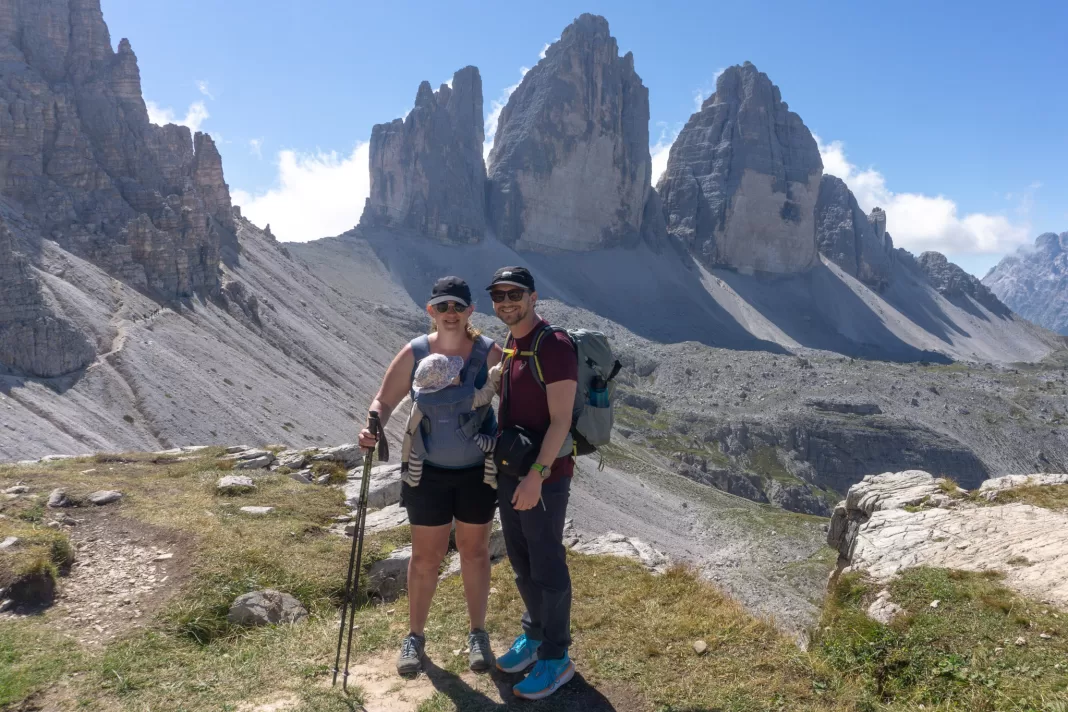
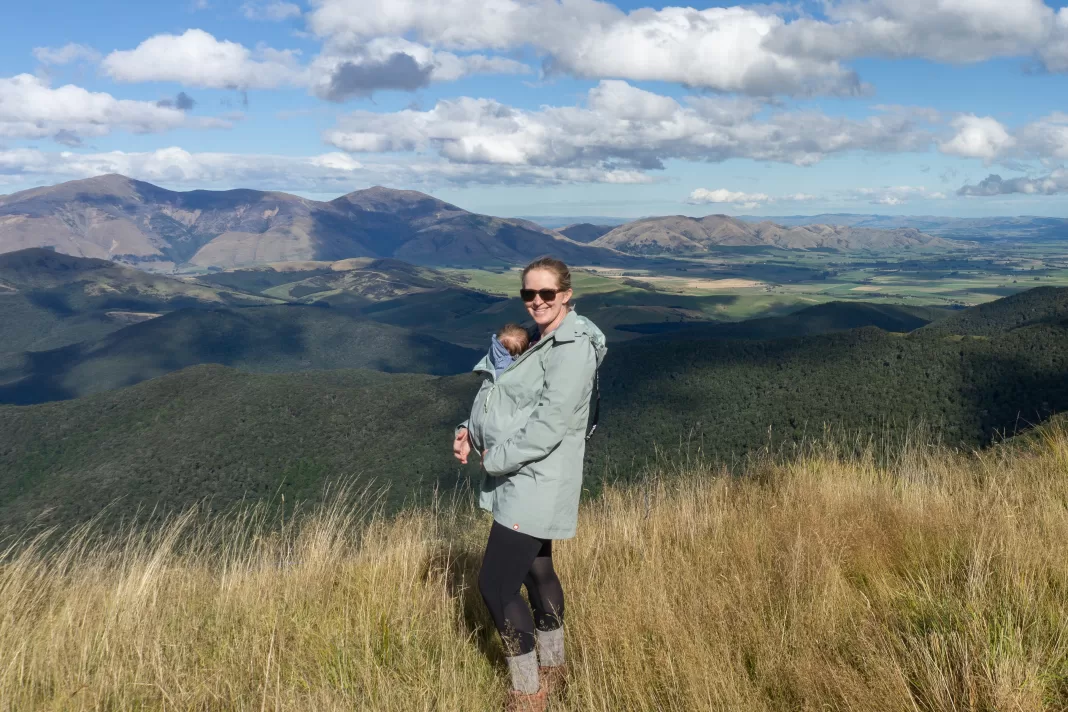
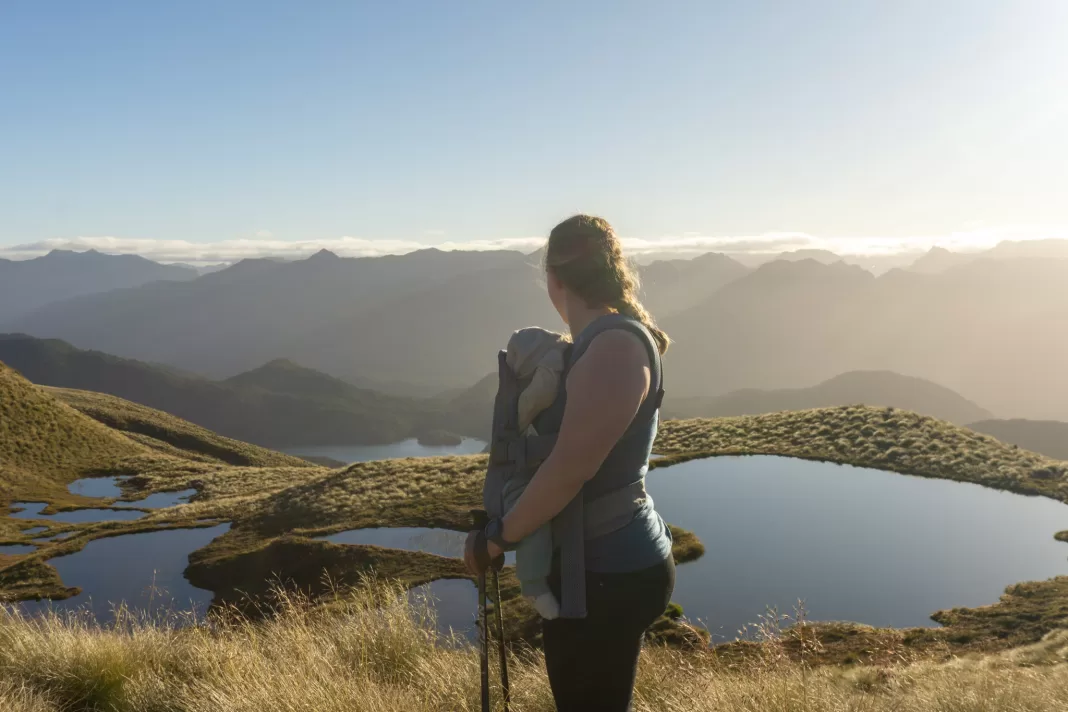
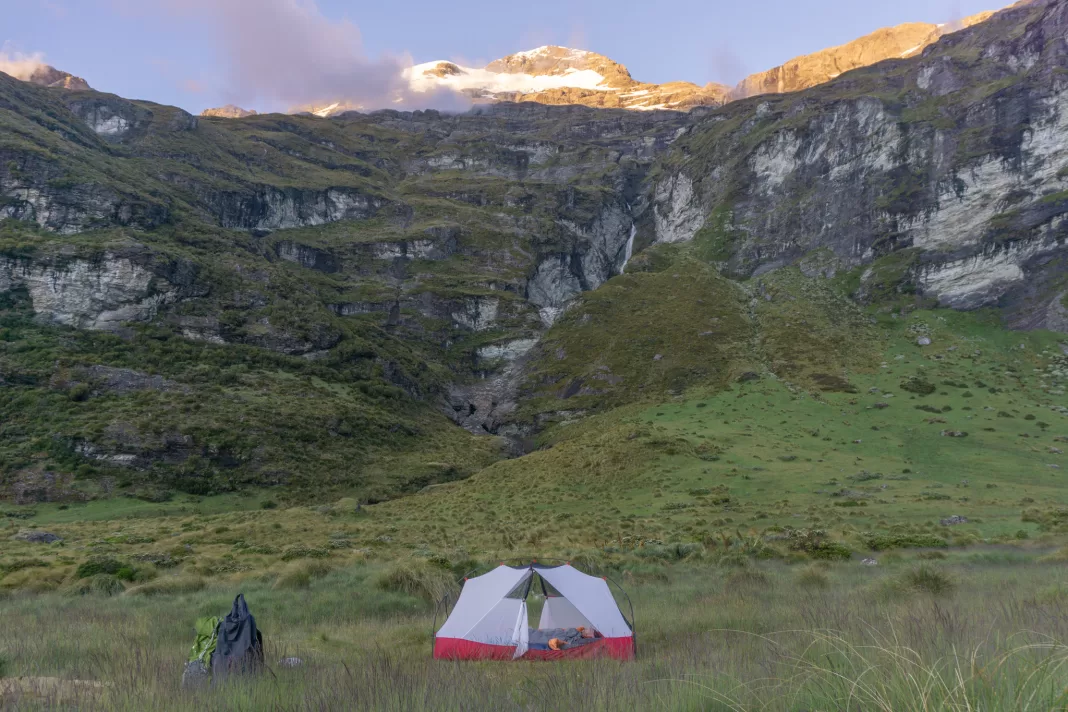
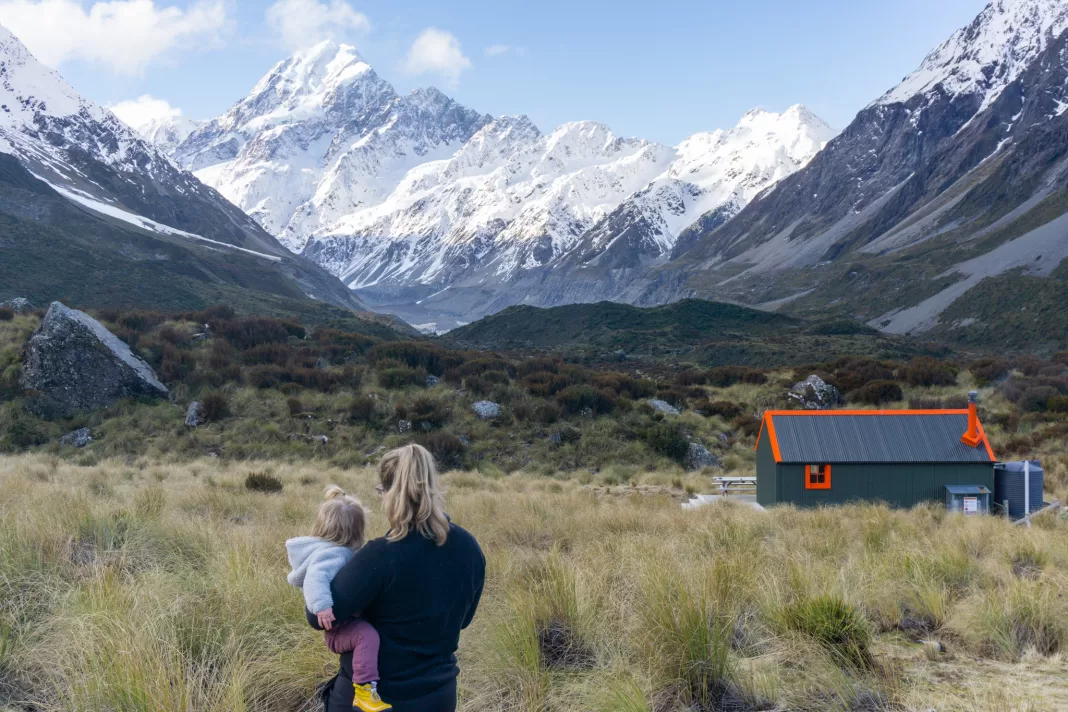
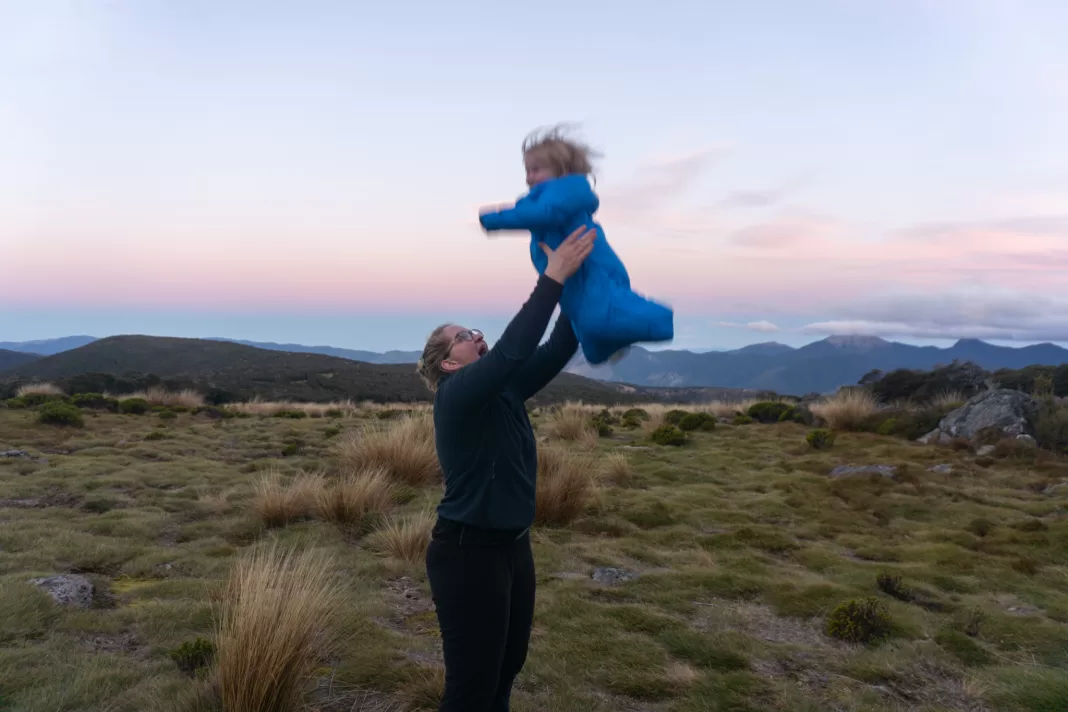
All of the photos shared in this blog post are all from when I was suffering from depression. I think they highlight how easy it is to mask what you’re feeling – and on the flip side, how difficult it is to tell if someone is suffering.
“Baby Blues”
I had a relatively straight-forward pregnancy and an incredible birth. It felt like becoming a mother was a transition that would happen naturally for me. Lol. Needless-to-say, postpartum hit me like a tonne of bricks.
I gave birth to my beautiful girl on Thursday, and discharged home feeling good on Friday.
By Saturday, I was a sobbing mess.
Most new mums go through the “baby blues” in the first week or so after giving birth. Your hormones are all over the place. It’s normal to cry and feel a bit overwhelmed. You just pushed a human child out of your body and now have to look after it!
The baby blues generally only last a few days to a week or so, before dissipating.
That’s not what happened for me.
From the time Little A was born until she was about 2 years old, it was unusual for me to go a week without crying. Along with the crying, went anxiety, self-hatred, shame, guilt and the feeling of failure. It was an awful spiral that slowly took me further and further away from the Alice I recognised.
Looking back now, it’s obvious that this was depression. But at the time it didn’t seem that clear. First-time mums are constantly being told that “it feels hard because it is hard”, that “everyone is struggling, they just don’t talk about it”, and that “you lose part of yourself, but you gain so much more”. So, I just assumed that what I was feeling was normal.

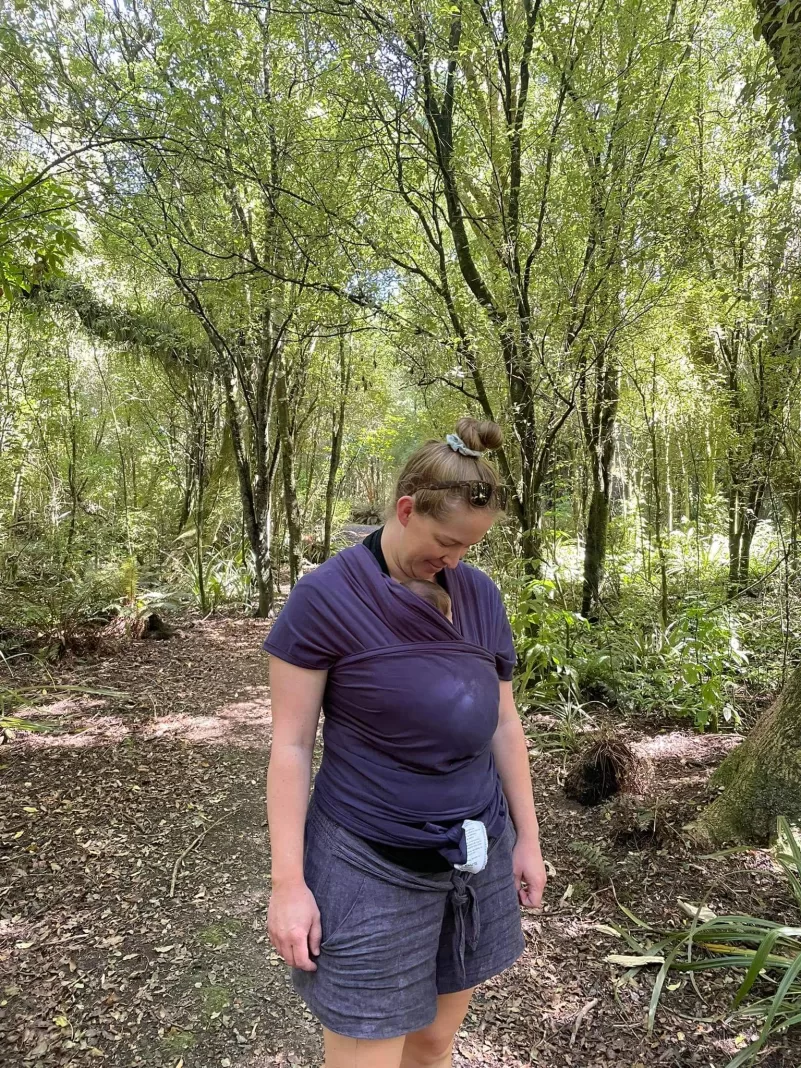
I can’t be depressed, right?
It wasn’t all doom and gloom. There were periods when I felt genuinely happy.
I still went out tramping with bubs as often as I could (even though it was stressful and filled me with anxiety).
Our trip to Europe when Little A was 7 months old was an incredible time. Apparently, a hiking holiday in the Dolomites is a very effective, but expensive, way to temporarily cure depression.
(peer reviewed studies pending)

When I returned to work when A was one year old, despite being extremely short-staffed and stressed, I loved getting to help patients again and use my brain. I recognised that person working in the hospital. She felt like the old me.
But the happy moments made it all that much harder for me to recognise depression. I work in healthcare. I like to think I’m pretty health literate. But I didn’t recognise the signs. I was getting out of bed each day and functioning. I could still laugh. I still enjoyed my hobbies. I still enjoyed hanging out with friends. I couldn’t be depressed, right? I was just sad. A lot of the time.
“I just want to escape what my life has become.”
My diary, October 2024
“Mild Distress”
My midwife and my GP didn’t recognise the signs either. My midwife chalked it up to baby blues, and my GP just thought I had “mild distress”, not depression.
I don’t blame them, how could they diagnose something going on in my head when I didn’t even know myself? I’m sure I was trying to put on a brave face – you never want to admit that you think you’re failing at parenting. Despite saying I was sad and crying often, I know I also minimised my symptoms.
Depression often has a shame spiral. My postpartum depression felt like it had a double one – not only was I comparing myself to other mums (she’s doing so well and she’s a solo parent of multiples, how can I be struggling with one easy baby and an incredibly supportive family?). But I was also comparing myself to the mum I had expected to be. The one who loved going on tramps and adventures with her little one. The mum who was patient and gentle most of the time. The mum who wasn’t constantly stressed, and could just sit and enjoy time with her child without worrying.
I knew I could be that mum – so why wasn’t I doing it?
I didn’t even recognise myself as the person I had been before Little A. It got to the point where even planning a tramp was too overwhelming for me. When Matt planned a trip for me and my water bottle leaked in my pack before we’d even left, I had a meltdown, sobbing. Who was this person?? I was ashamed of her. Of myself. I felt pathetic.
Postpartum Depression
Eventually things came to a head, almost two years after I’d given birth. I started to confront something I already knew – my other mum friends weren’t having the same experience of motherhood as I was. They were overjoyed to share the news that they were pregnant with their seconds. I couldn’t believe anyone would want to go through the newborn stage a second time.
We travelled up to stay with my parents over Christmas / New Years, expecting as usual to spend the two-week holiday packed full of fun family adventures. Instead, I lay in bed for three days, going through tissue boxes crying, only getting out of bed to go to the toilet.
Loved ones offered well-meaning advice, like the importance of spending time in nature. It was good advice, but it felt like they were throwing a life-ring onto the surface, while I was 100m deep underwater, drowning.
My parents and Matt organised an amazing tramp into Kea Basin to help make me feel better. It did. But as soon as I got back, I slipped straight back into depression. In some ways returning to real life felt worse because of the comparison to the happy person I knew I should be, that I could be.
Lying in bed for the third day in a row, I finally recognised this for what it was – depression.
Rock bottom is different for everyone. I never had suicidal ideation. I never wanted to harm my child. But for someone who normally thrives on adventure, not being able to get out of bed for three days was my brain crying out “for fucks sake, we need some help”.
I’m glad that after two years, I finally listened.
“Clinical Depression”
From my bed, eye blurred with tears, I booked a session with a counsellor. She said, after listening to me for half an hour, “girrrrrrl, you need to get on some meds!”*
*may or may not be paraphrased
I booked an appointment with my GP as soon as I walked out of the session.
In my first post-partum year, I’d considered asking my GP for anti-depressants. But it felt like such a giant step. Everyone in my life was telling me my symptoms “weren’t that bad”. I was worried about the side effects, worried I wasn’t depressed enough, worried about the stigma.
But by the time I’d hit my rock bottom, I would have jumped on anything that had a chance of making me feel even an ounce better.
I was prescribed Sertraline. Within two weeks, I felt like my normal pre-baby self.
After the initial week or so, I didn’t have any side effects (other than vivid dreams and a ridiculous joy at feeling happiness). It was more than I could have hoped for. It literally changed my life in less than a fortnight.
I’d spent two years torturing myself with guilt and shame, all while feeling the lowest I’d ever felt in my life. But in just two weeks, I found Alice again.
Having such a strong and positive response to Sertraline was actually a relief. My thoughts weren’t the only thing making me sad. No amount of willpower or positive affirmations could have cured the physiological disorder in my brain (and believe me, I tried).
A week after starting Sertraline, a colleague mentioned, “You seem brighter this week Alice”. I almost replied with “Huh, the antidepressants must be working”, but instead just settled with a boring “Thanks!”. Can’t let humour get in the road of professionalism.
The Road to Recovery
I’ve now been on anti-depressants for four months. That probably doesn’t sound like a long time, but the me of four months ago honestly seems unrecognisable.
I’ve cried maybe once or twice in that time (much more my normal). I’m so much more patient and loving with Little A. I try to not grieve the lost time I had with her for the first two years of her life. And not feel guilty about the effect this might have had on her emotionally and mentally. I can’t change what happened.
I’ve gone on so many adventures in the past few months. I’m seeing a personal trainer. I’ve lost weight. I competed in my first adventure race. I’m energised again. I feel like my old self, except new and improved because now I’m myself and the mum I always knew I could be.
Since opening up about my depression with friends and family, I’ve been amazed and saddened to hear how common this is. So many close people in my life have experienced depression, or have taken / are taking antidepressants, and I had no idea. I’m sure it’s the same for you.
Depression isn’t always easy to see from the outside. Check in with your friends and family. Ask the hard questions. Really listen.
I don’t know what my future holds. I’d eventually like to try and get off medication. I don’t like being reliant on it to live my life. But at least I’m living now, instead of just suffering through. I’m optimistic and have so much to be grateful for.
I’ve found me again.
Help is out there. You deserve it.
If you’d like to chat about my experience with depression and/or antidepressant medication, my door and DMs are always open. I’m not a doctor and don’t know a lot about depression (duh – it took me two years to even realise how bad my own mental health had become), but I can listen and share my own experience.
If you need help, please know there is support out there. You shouldn’t have to feel sad, depressed or anxious most of the time. If you think it is bad enough, it is bad enough. I know it’s hard when you feel so deep in depression, but don’t settle. You deserve happiness and support. Take the first step. Talk to someone.
In New Zealand, you can (for free):
- call or text 1737 to talk with a trained counsellor
- call Depression Helpline on 0800 111 757 or text 4202 for access to a counsellor
- call 0800 543 354 (0800 LIFELINE) or text 4357 (HELP) to talk with someone from the compassionate Lifeline team
- call 0508 TAUTOKO (0508 828 865) to access the Suicide Crisis helpline if you or someone you know needs urgent help
- access your work’s EAP service if they have one
Plus you can find more support and resources here: https://mentalhealth.org.nz/helplines.
If you are not based in New Zealand, you can use this international directory to find some help in your area: https://www.helpguide.org/find-help.
Thank you for reading x
Alice, this is deep and raw. You are so brave for sharing your mental health story. I thought the same about your miscarriage and birth stories.
I’ve followed you on Instagram for a few years now and you did let on that you struggled postpartum, but I don’t think anybody knew how serious the situation was. You didn’t even know it yourself! I’m so sorry. Thank you for sharing and making people more aware.
I’m a mum as of mid last year and worried a lot about postpartum depression as I witnessed a friend struggling after giving birth. I feel lucky that I do not suffer from depression. I have hard days that come with tears sometimes but it’s nothing like what you describe. I still feel like I’m me but more than me before I became a mum.
I’m glad that you figured out that you needed help and that you got it, and now you claimed your life and how you envisioned it back! All the best wishes to you and your family!
I’m so glad your fears haven’t been realised around postpartum depression. But yes parenting is so hard! I hope you and bubs are doing well. It does get easier (especially the sleep). Thank you for reading, and for commenting <3
Amazing Alice, thank you so much for sharing, and for doing what you need to do so we all get to spend quality adventure time with you ❤️
Thanks Courtney <3
What a beautiful thing it is to look back on how far you’ve come. You are an Amazing women Alice! =]
Thank you Sam for your lovely words!